Posts

Maulana Azad College
Image
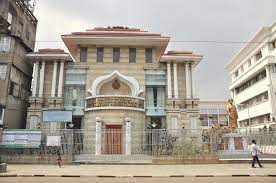
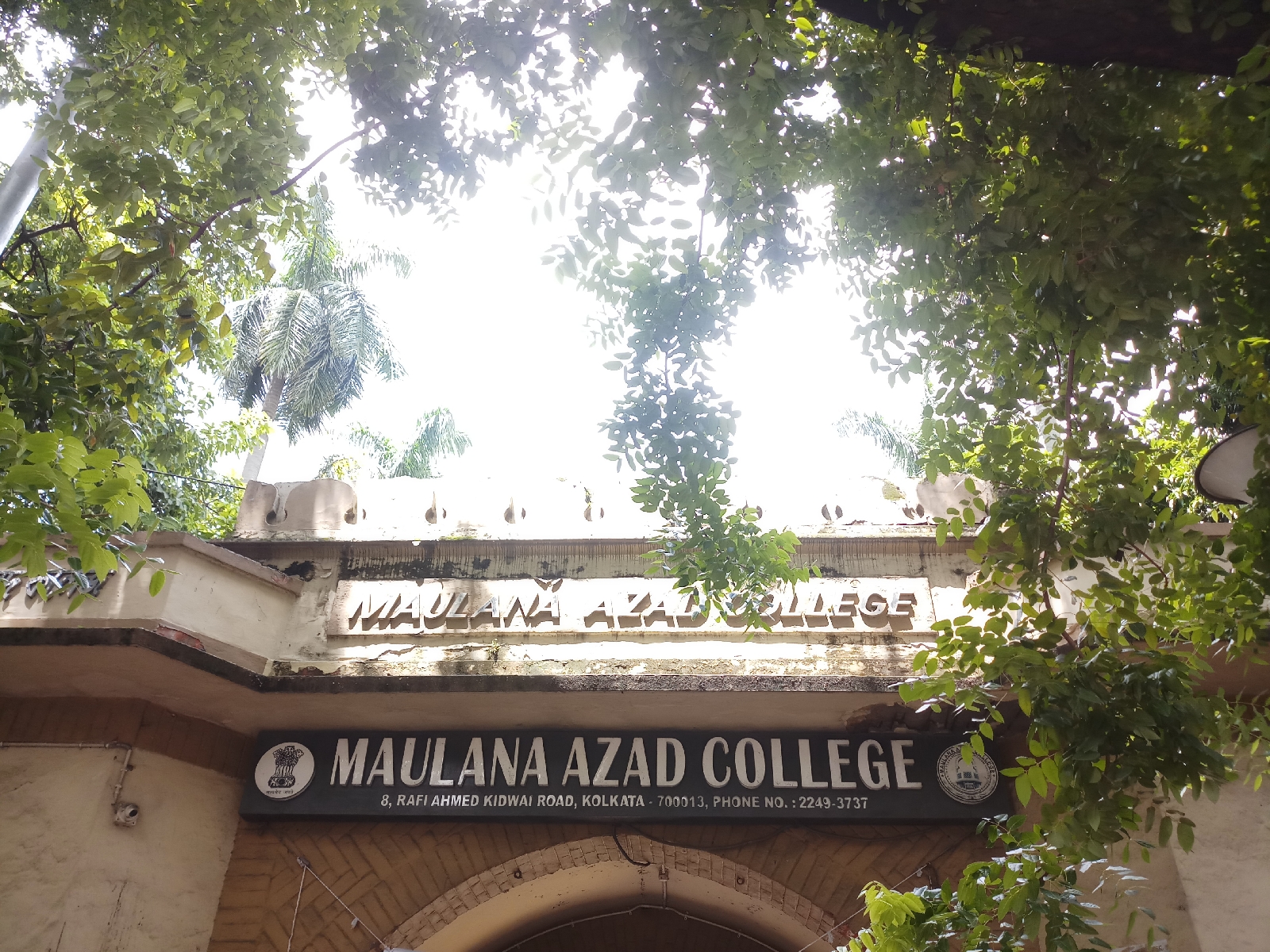
The Entrance The Building architechture Painting by the renowned artist Isha Mohammad Maulana Azad College was founded by  A. K. Fazlul Haque, on December 9, 1924. The foundation stone was laid by  Lord Lytton, the contemporary Governor of Bengal. The vision of the college was to  promote Islamic learning and general education among the Muslim population in British India and with the sustained efforts of contemporary education minister of Bengal. It was then named as  Islamia College   under the affiliation of University of Calcutta.  The first Principal, Mr. A. H. Harley was formerly the faculty of Oriental Languages, Edinburg University, UK. Post-independence, the college was renamed as   Central Calcutta College   and generously moved beyond religious barrier and was open for male students only. probably due o the efforts of Professor F. J. F. Pereira. In 1960, the final baptism held as   Mau...

Heritage cuisine of Bengal

Image
Bengali cuisine , as with any culture, is a showcase of family tradition. It has also been a melting pot of several Indian and European cuisines, as different rulers and traders crossed the Bengal land. The ladies of both West and East Bengal, particularly those from the affluent families, loved experimenting and writing down new recipes. They also had a penchant for fusion food.  However, many of these signature dishes are forgotten today though a lot of hue and cry has been generated to revive them. Evening snacks or Bikeler Jolkhabar was very important particularly when it came to hosting guests for matrimonial purposes.  Today we can trace these recipes to some publications of historical significance. Pragyasundari Devi granddaughter of Maharshi Debendranath Tagore authored ‘ Amish O Niramish Ahar ’ which was a ‘significant’ early cookbook in Bengali language, published in 1902.  Burdwan’s claim to fame, however, is not its history, but for publishing India’s first ...

Victoria Memorial Hall

Image

City College (North)

Image
City College ( located at 102/1, Raja Rammohan Roy Sarani ) was founded by Ananda Mohan Bose and the Sadharan Brahmo Samaj in 1881 .  Other illustrious Brahmo leaders associated with this institution were Pandit Sivnath Sastri and Umesh Chandra Dutta. Rastraguru Surendranath Banerjee later joined the College as teacher.  Today it is popularly called as the North City College to differentiate it from the South City College at Golpark. In 1961, the college was divided into three separate colleges– Rammohan College (morning), City College (day) and Ananda Mohan College (evening).  Till 2017, the college used to be administered by the Brahmo Samaj Education Society, a society constituted by the Sadharan Brahmo Samaj. After that, it became a grant-in-aid college under the Department of Higher Education, Government of West Bengal.  Today Ananda Mohan College offers 9 humanities, 4 commerce and 7 science stream undergraduate courses. Rammohan College has acquired the herit...

Swami Vivekananda's Ancestral House and Cultural Centre

Image
Just upon entering this historical building, we were met with an interesting anecdote. Although named as Swami Vivekananda's Ancestral House and Cultural Centre, it was the birthplace Narendranath Dutta . Upon being initiated into the monk order, Swami Vivekananda did not spend a single night here but came only to escort his mother to and from Calcutta High Court during the ongoing legal dispute among the heirs.  The present building The Entrance Statue decorated on 12th January, Youth Day Upliftment of Mankind At the entrance there is a bookshop housing several books on the lives, works and gospels of The Holy Trinity along with books on philosophy and self-improvement.  The staircase on either side of the life sized image of Swamiji seated in meditative posture leads to the first floor.  Way to the first floor Pictures of the contemporary landmarks of Kolkata are displayed.  Here one comes across tabloids depicting stories of Swamiji’s life. A light and sound sh...